


Men looking for qualified support for any penile health or post‑op concern can explore our
Canadian Urology Directory and USA Urology Directory
to find clinics experienced in men’s urologic and dermatologic conditions.
Clinically reviewed by Melanie Dick, RN
Clinical U. Coordinator | Critical Care Nurse
Recovery insights & Post-op care expertise.
September, 2026

What is Peyronie’s Disease
Peyronie’s disease is a condition characterized by the development of fibrous scar tissue, known as plaque, inside the penis. This scar tissue causes the penis to bend, curve, or shorten during an erection, often leading to physical discomfort and pain. While a slight curve is normal for many men, the pronounced curvature caused by Peyronie’s disease can make sexual intercourse difficult, painful, or entirely impossible.
Beyond the physical symptoms, the condition frequently impacts emotional well-being, intimacy, and self-confidence. It is also closely linked with other men’s health concerns; many men experiencing penile curvature also struggle with impaired blood flow or maintaining firmness. Exploring the underlying causes of [erectile dysfunction] can help understand how these two conditions often intersect and how they can be treated together.
Estimated Prevalence of Peyronie’s Disease in North America (%)
Men 18–39
Men 40–59
Men 60+
Estimates reflect population-level prevalence ranges reported in major North American epidemiological studies.
Sources:
• Olmsted County Study, Lindsay et al. — Mayo Clinic Proceedings
• Prevalence and Impact of Peyronie’s Disease, Mulhall et al. — The Journal of Urology
• American Urological Association (AUA) — Peyronie’s Disease Clinical Guidelines
Understanding Peyronie’s Disease: Anatomy & Progression
To understand why Peyronie’s disease causes curvature and pain, it helps to examine the normal mechanics of an erection versus how plaque disruption alters penile structure over time.
Anatomy of an Erection
Under normal physiological conditions, an erection relies on two parallel spongy chambers along the top of the penis called the corpora cavernosa. During sexual arousal, blood flows into these chambers, causing them to expand. Surrounding both chambers is a thick, highly elastic sheath of connective tissue known as the tunica albuginea. As the corpora cavernosa fill with blood, the tunica albuginea stretches evenly in all directions. This uniform expansion provides rigid support while maintaining a straight penile shaft.

Penile shaft Cross-Section Illustration
The Pathology: How Plaque Alters Structure
Peyronie’s disease occurs when dense, fibrous scar tissue, called a plaque, forms within the layers of the tunica albuginea. Unlike healthy tissue, this scar plaque is stiff and non-elastic. When blood fills the erectile chambers, the healthy sides of the tunica albuginea stretch normally, but the area with scar tissue cannot expand. As a result, the penis bends toward the side of the plaque during an erection:

Dorsal Inelastic Plaque Causing Upward Curvature
- Curvature: A plaque on top of the shaft causes the penis to curve upward; a plaque on the underside causes a downward bend.
- Deformities & Hourglassing: If scar tissue forms around the entire circumference of the shaft, it creates an “hourglass” indentation or narrowing effect.
- Loss of Length: The inelastic scar tissue prevents full longitudinal expansion, often causing significant shortening.
*Note: Peyronie’s disease is a progressive condition that moves through two distinct clinical phases. Identifying which stage a patient is in dictates the most effective treatment approach.
# Your Recovery Essentials
Explore Our Collection
Penile Treatment Recovery Briefs for a Softer Touch on Sensitive Skin.

Causes & Risk Factors of Peyronie’s Disease
While the exact trigger of Peyronie’s disease isn’t always clear, medical consensus points toward an abnormal wound-healing response following an injury to the microscopic blood vessels of the penis. However, physical trauma alone doesn’t fully explain why some men develop persistent scar tissue while others heal normally. A combination of injury mechanisms, genetic factors, age, and overall vascular health determines who develops the condition.
Symptoms & When to See a Urologist
Peyronie’s disease presents with a distinct mix of physical deformities, functional limitations, and emotional challenges. Recognizing these symptoms early allows for timely intervention before scar tissue fully stabilizes.
Visible & Physical Signs
Palpable Plaque: Hard, firm bumps, flat bands, or localized scar tissue felt directly under the skin of the penile shaft (even when flaccid).
Penile Deformity: Pronounced bending during an erection; curving upward, downward, or sideways. Advanced cases cause an “hourglassing” effect (a tight band narrowing the middle of the shaft) or complex hinge-like bends.
Loss of Length & ED: Progressive shortening of the shaft due to inelastic scar tissue, often paired with erectile dysfunction caused by impaired blood trapping or pain.
Functional & Emotional Impact
Pain & Partner Discomfort: Throbbing or sharp pain during erections (typical of the acute inflammatory stage) and physical discomfort or difficulty during penetration for both partners.
Psychological Distress: High rates of performance anxiety, low self-esteem, body dysmorphia, and depression stemming from changes in appearance and sexual function.
While Peyronie’s disease develops over time, a sudden “pop” or snapping sound during intercourse accompanied by immediate pain, rapid swelling, severe bruising, or instant loss of erection is a penile fracture. This may be a medical emergency requiring immediate emergency room evaluation, not a routine urology visit.
How Peyronie’s Disease is Diagnosed
Diagnosing Peyronie’s disease involves establishing whether the condition is in the active (inflammatory) or stable phase, mapping the scar tissue, and measuring the exact degree of curvature to guide treatment options.
Medical History & Symptom Timeline
- Pain Tracking: Identifying whether erect pain is present help determine if the disease is still in the active inflammatory phase (6–18 months) or if it has entered the chronic phase.
- Curvature Stability: Establishing whether the bend angle is still actively worsening or if it has stabilized over the past 3–6 months—a crucial prerequisite before considering surgical correction.
Physical Examination
- Manual Palpation: A thorough examination of the flaccid shaft allows the urologist to physically feel, locate, and measure the plaque nodules or hardened bands along the tunica albuginea.
- Length Assessment: Measuring stretched penile length establishes a baseline to monitor potential length loss over time.
In-Office Specialized Diagnostic Tests
- Injected Erection Test (Intracavernosal Injection): A medication (such as alprostadil) is injected into the erectile tissue to induce a full artificial erection in the office. This allows the doctor to precisely measure the curvature angle with a goniometer and assess shaft stability, hinge defects, or hourglass deformities.
- Penile Color Doppler Ultrasound: Advanced imaging performed during the artificial erection test to evaluate arterial blood inflow, venous blood trapping, and measure the exact thickness and calcification depth of the plaque.
Treatment Options for Peyronie’s Disease
Treatment depends entirely on whether you are in the active (inflammatory) phase or the chronic (stable) phase. The primary goals are reducing pain, stabilizing or reversing curvature, and restoring sexual function.
Non-Surgical & Conservative Options
Penile Traction Therapy (PTT)
Mechanical stretching devices worn daily to apply continuous tension to the shaft. PTT helps remodel scar tissue, reduce curvature angles, and prevent or recover lost penile length. These devices often require a dedicated routine, which may include several sessions daily.

RestoreX

Jes-Extender

Phallosan Forte
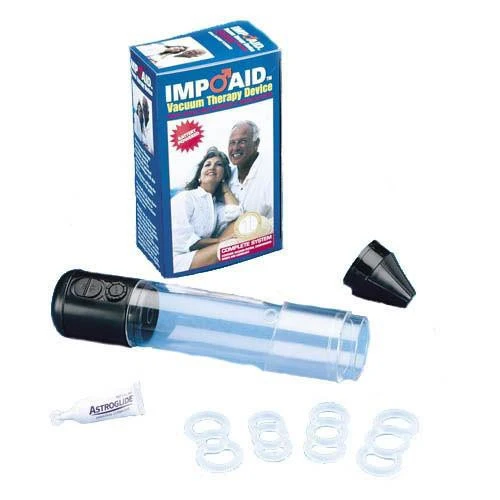
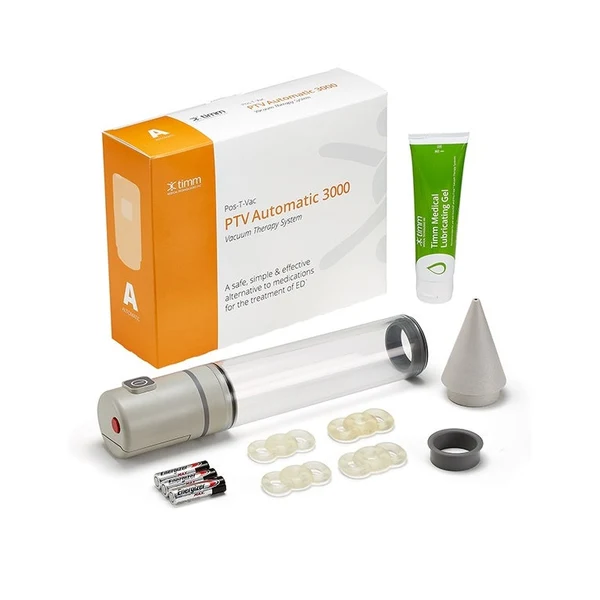
Vacuum Erection Devices (VED)
Vacuum therapy involves non-invasive pump devices used daily to draw blood into the shaft, promoting tissue elasticity and supporting erectile function. These devices are also often used post-surgical intevention as guided by a qualified clinician.
ImpoAid
Pos-T-Vac
SomaErect

ErecAid

Oral Medications & Supplements
Oral Medications and/or supplements for peyronie’s treatment involves the prescription of products such as Pentoxifylline, Potaba, L-carnitine, CoQ10, or Vitamin E are sometimes prescribed during the active phase to reduce pain and inflammation, though their ability to correct established curvature is limited.

Vitamin E
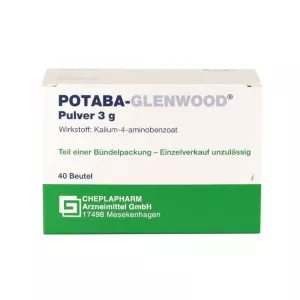
Potaba

Pentoxifylline

CoQ10
In-Office Medical Procedures & Injections
Intralesional Injections
Intralesional Injections involve the administration of medications injected directly into the hardened plaque under local anesthesia to break down collagen and soften scar tissue. Common agents include Collagenase Clostridium Histolyticum (Xiaflex), Verapamil, or Interferon. Injections are typically paired with gentle manual remodeling or traction exercises.
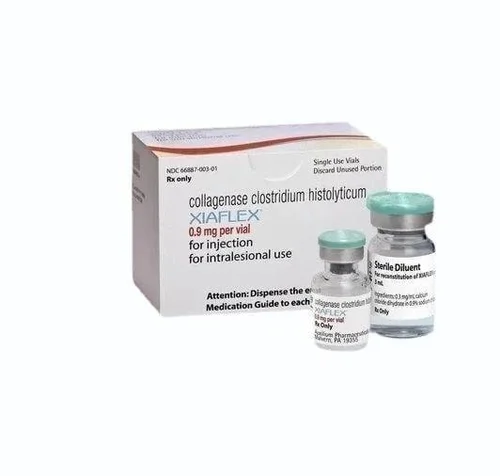
Xiaflex

Syringes 0.9mg dose

Clinic Room
Low-Intensity Shockwave Therapy (Li-ESWT)
Targeted acoustic waves applied to the shaft. While mostly effective for resolving chronic penile pain during the active phase, limited studies show shockwave may have curvature and plaque-resolving benefits.

DUOLITH SD1 >>ultra<<
Surgical Options (Stable Phase with Deformity)
Surgery is reserved for men in the chronic phase whose curvature has been stable for at least 3–6 months and severely hinders or prevents sexual intercourse.
Plication (Nesbit Procedure)
Plication or Nesbit procedure involves the surgical pinching or shortening of the unaffected (longer) side of the shaft to pull the penis straight. Ideal for mild-to-moderate curvature with adequate shaft length and strong baseline erectile function.

Plaque Excision/Incision and Grafting
Plaque excision and grafting involves cutting or removing the hardened plaque on the affected side and covering the defect with tissue graft material. Best for severe curvature or “hourglassing,” though it carries a higher risk of postoperative erectile dysfunction.

Penile Implant (Prosthesis)
Penile implantation or prosthesis involves the insertion of an inflatable or malleable device into the erectile chambers. Recommended for men who have significant Peyronie’s curvature combined with medication-resistant erectile dysfunction. The implant straightens the shaft while permanently restoring erection firmness. Post-op length and girth loss remain the top concerns for penile implant candidates. Utilizing a medical-grade vacuum erection device (VED) both pre- and post-surgery plays a crucial role in preventing tissue shrinkage and maximizing structural recovery.

Boston Scientific AMS 700

Coloplast Titan
Overview of Therapies in Acute-Phase Peyronie’s Disease
Managing active-phase Peyronie’s disease comes with a lot of options, ranging from pills and injections to stretching devices and surgery. Because every patient responds differently, doctors look closely at how each treatment works, what side effects to watch out for, and which therapies are actually backed by clinical evidence. Here is a breakdown of the main treatments, what they do, and their potential side effects. (Aylin N. Bilgutay and Alexander W. Pastuszak)
*Note: Clinical review of proposed mechanisms, associated side effect profiles, and professional consensus regarding recommendations for pharmacological, transdermal, intralesional, physical, and surgical interventions in Peyronie’s disease. Adapted and synthesized from Bilgutay & Pastuszak (2015) via PubMed Central (PMC4535719).
Coping, Intimacy & Mental Health
Peyronie’s disease is as much a psychological challenge as it is a physical one. Changes in penile shape, lost length, and painful erections frequently trigger performance anxiety, body dysmorphia, and depression. Addressing emotional well-being and maintaining open communication are critical components of recovery.
Navigating Intimacy with a Partner
Open Communication: Discussing physical limitations, pain levels, and anxieties with your partner reduces performance pressure and prevents misunderstandings regarding physical distance.
Adapting Sexual Techniques: Modifying sexual positions can relieve physical stress on the curved shaft, minimize discomfort for both partners, and make intercourse manageable without triggering pain.
Redefining Closeness: Shifting focus toward non-penetrative intimacy, extended foreplay, or sexual aids allows couples to maintain connection and pleasure while managing physical symptoms during treatment.
Psychological Support & Mental Wellness
Managing Body Image & Identity: The sudden physical changes to the shaft often strike at self-confidence and feelings of masculinity. Acknowledging these feelings rather than isolating yourself is key to emotional recovery.
Sex Therapy & Counseling: Working with a sex therapist or mental health counselor specializing in sexual health provides structured strategies to overcome performance anxiety, manage intimacy stress, and rebuild sexual confidence.
Support Groups: Connecting with peer support groups or patient communities offers shared experiences, practical advice, and emotional validation, helping men realize they are not navigating the condition alone.


