


Men looking for qualified support for any penile health or post‑op concern can explore our
Canadian Urology Directory and USA Urology Directory
to find clinics experienced in men’s urologic and dermatologic conditions.
🧬 The Bend in the Road
Peyronie’s disease involves the buildup of scar tissue (fibrous plaques) beneath the skin of the penis. This condition can cause painful erections, a noticeable bend or curve, loss of length or size, and emotional stress. The condition generally develops in two stages: an early active phase marked by pain and changing curvature, followed by a stable phase where the scar tissue hardens and the shape becomes permanent.
🎯 Breaking the Cycle: Rehabilitation
Treating this condition goes beyond managing temporary symptoms; the main goals are protecting long-term structure and maintaining sexual health. Common methods may involve a combination of oral medications, injections, traction or vacuum devices and several surgical interventions. Non-surgical and rehabilitative treatments play a crucial role in slowing down the scarring process, improving blood flow, and helping preserve size without the need for surgery. Using mechanical treatments early on helps fight against the tightening of scar tissue and supports normal function. With many treatment options available, vacuum erection devices (VEDs) have become a key tool for non-invasive recovery.
⏱️ Acute vs. Chronic Phases
Peyronies Disease involves 2 respective phases which onvolves the progression from the acute phase (typically lasting 3 to 18 months, characterized by active inflammation, painful erections, and changing deformities) to the chronic stable phase (marked by symptom plateau, pain resolution, and plaque maturation/calcification). How well vacuum therapy works can depend heavily on when it is started. During the early (acute) phase (when pain and changing curves are common)gentle vacuum use can help manage symptoms and guide tissue remodeling. In the later (chronic) phase, once the scar tissue has hardened, the focus shifts more toward stretching the rigid plaque and maintaining tissue length and flexibility.
# Your Recovery Essentials
Explore Our Collection
Penile Treatment Recovery Briefs for a Softer Touch on Sensitive Skin.

💡 Understanding the Data
The accompanying graph breaks down the key clinical endpoints and physiological responses associated with dedicated vacuum erection device (VED) protocols in Peyronie’s disease management. Rather than serving as a single cure-all, vacuum therapy works through a combination of hemodynamic and mechanical mechanisms that target the core pathology of the condition. Together, these metrics illustrate why vacuum therapy is increasingly valued as a core, non-invasive cornerstone for preserving function and mitigating structural deformity.
Clinical Endpoints of Vacuum Therapy
Perfusion
Length
Curvature
Anti-Fibrosis
Adherence
Estimated clinical response rates and physiological metric improvements associated with dedicated vacuum erection device protocols in Peyronie’s disease management.
Sources: Clinical evaluations on tissue hypoxia mitigation, corporal stretching mechanics, and rehabilitation outcomes (Levine et al., 2020; Yuan et al., 2010).
Note: Percentages reflect average clinical trial benchmarks for hemodynamic improvement, size retention, and curvature reduction.
*Note: These figures reflect general clinical study averages and results for structured vacuum therapy routines in Peyronie’s disease care. Individual results vary depending on how far along the condition is, your natural tissue flexibility, and how consistently you follow your routine.
⚙️ Pulling the Strings
When a vacuum device is applied, it creates negative pressure around the penis. This action directly affects the internal erectile tissues, known as the corporal smooth muscle, and the tough outer sheath surrounding them, called the tunica albuginea. By gently stretching these layers, vacuum therapy helps keep the tissue elastic and prevents it from becoming stiff or locked in place.
Fresh Currents: Blood Flow and Oxygen
Poor blood flow and a lack of oxygen (known as tissue hypoxia) can make scar tissue worse. Vacuum therapy helps counteract this by pulling fresh arterial blood into the area, boosting local blood flow, and flooding the tissue with oxygen. This surge of circulation nourishes the cells and helps stop the chemical signals that trigger further scarring and hardening.
Stretching: Fighting Back
Scar tissue naturally wants to shrink, which can lead to a noticeable loss of length and width. The physical pulling force of the vacuum acts as a natural stretcher, gently lengthening the tissues and countering the inward pull of the fibrotic plaques. This mechanical stretching helps preserve overall size and supports a straighter, more flexible structure over time.
🛠 Vacuum Therapy Devices
In the United States, vacuum therapy devices generally fall into two categories: medical-grade prescription systems heavily favored by urology clinics and specialized physicians for rehabilitation (such as Peyronie’s and post-prostatectomy recovery), and over-the-counter wellness devices found in consumer markets. The most prominent and widely recognized medical-grade and clinical brands recommended by urologists in the USA include:
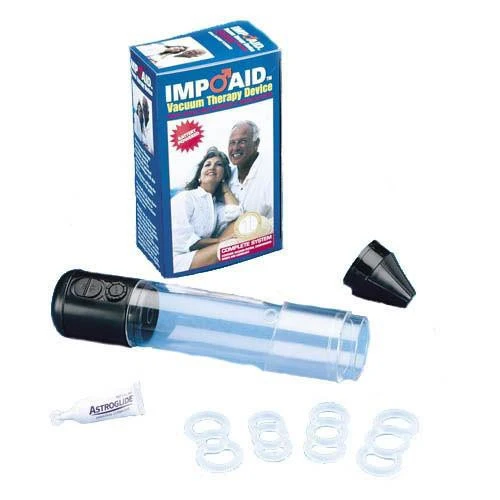
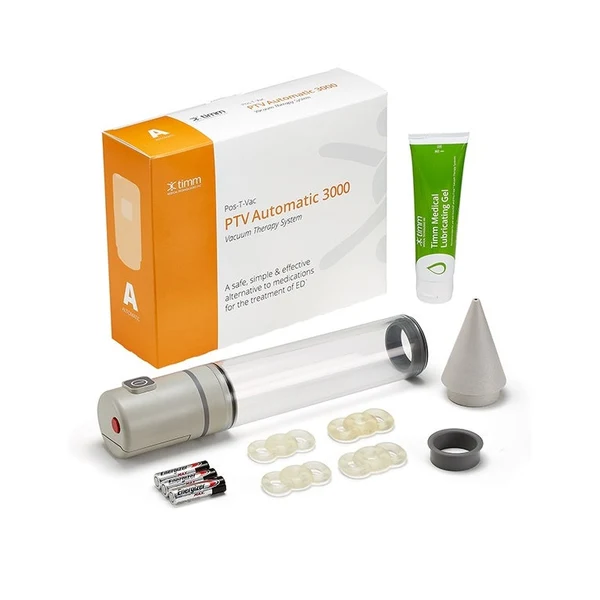


*Note: These medical-grade prescription vacuum erection devices are engineered specifically for therapeutic rehabilitation protocols. Individual skin tolerance varies based on tissue sensitivity, proper lubrication use, and adherence to safe vacuum pressure limits. While companies like RestoreX dominate the traction therapy space for Peyronie’s disease; having been developed in partnership with the Mayo Clinic; the brands listed above represent the gold standard for clinical vacuum erection device (VED) protocols.
⚠️ Unregulated OTC Market
Over-the-counter (OTC) wellness devices are vacuum pumps sold directly to consumers online or in retail sex-novelty stores without requiring a medical prescription or physician consultation. Unlike the medical-grade prescription brands (such as Encore, Pos-T-Vac, or Augusta Medical Systems) that are engineered specifically for clinical rehabilitation after prostate surgery or to treat medical conditions like Peyronie’s disease, OTC wellness pumps are generally marketed for general sexual enhancement, casual recreational use, or quick-fix erections.
Key characteristics of consumer-market wellness devices include:
*Note: While consumer-market wellness pumps are cheaper and widely accessible, urologists strongly caution against using them for therapeutic rehabilitation, as they lack the safety controls and precision required to treat complex conditions safely.
💧 The Purpose of Vacuum Pump Lubrication
That tube or packet of gel included with vacuum therapy devices is not standard water-based lubricant for intercourse: it is a specialized, thick, water-soluble medical sealant. Its primary job is to create an airtight seal between the base of the plastic cylinder and the skin of the abdomen and pubic area, allowing the pump to successfully generate and hold negative pressure. Beyond creating a vacuum seal, this medical-grade gel reduces friction as the skin draws against the rigid rim of the cylinder, preventing chafing or skin irritation during the pumping session.
📏 Length & Girth Preservation
One of the most frustrating parts of Peyronie’s disease is the loss of length and width caused by internal scarring. Vacuum therapy acts as a regular physical workout for the tissue, gently expanding the chambers to help maintain size and restore fullness. By encouraging regular blood flow and stretching the skin and underlying layers, these devices help combat the shrinkage that often comes with the condition.
🤝 Better Together: Combination Therapies
When it comes to reducing the actual bend or curve, vacuum devices can be used on their own or as part of a broader plan. Used alone, regular sessions can help remodel the tissue over time for mild to moderate curves. However, they often work even better when paired with other treatments, helping to stretch out the tissue so that medicines or other therapies can do their job more effectively. Doctors frequently recommend pairing them with other treatments, such as stretching devices (traction therapy), medication injections directly into the plaque, or recovery programs following surgery. Combining these methods tackles the condition from multiple angles, giving patients the best possible chance at preserving function and structural shape.
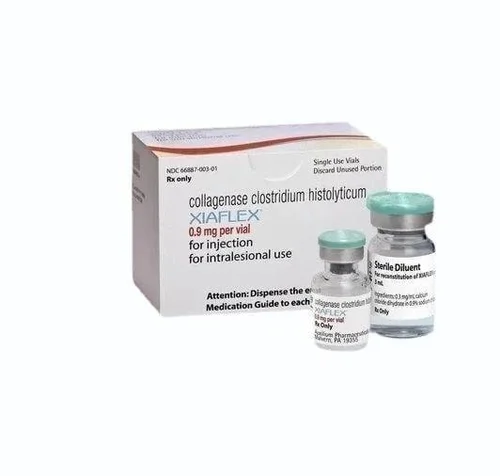
Xiaflex 0.9mg Injection

RestoreX Traction Device

Pentoxifylline
🔍 Selection and Assessment
Before starting vacuum therapy, a thorough medical evaluation is essential to ensure it is the right choice for the individual. Doctors review the patient’s medical history, examine the shape and location of the scar tissue, and check overall vascular health. Choosing the right candidates helps ensure the therapy is safe, comfortable, and tailored to the specific stage of the condition.
🔄 Usage Routine and Rehabilitation
To get the best results without causing harm, consistency and moderation are key. While specific routines can vary based on individual needs, standard guidelines typically involve short, daily sessions rather than intense, prolonged suction. It is vital to stay well within safe pressure limits, using only enough negative pressure to draw blood and gently stretch the tissue, to prevent bruising, skin irritation, or trauma. Vacuum therapy works best when it is part of a structured, long-term rehabilitation plan. Rather than acting as a quick fix, regular use is integrated into a daily schedule to support ongoing tissue health, maintain flexibility, and keep blood flowing smoothly. This steady routine helps lock in the gains made during other active treatments and supports overall recovery.
🧊 Side Effects, Limits and Risks
Like any physical therapy, vacuum therapy can come with mild, short-term side effects as the body adjusts. Users may occasionally notice tiny red dots on the skin (petechiae), minor bruising, or a temporary feeling of numbness or coldness right after use. These effects are generally harmless, fade quickly on their own, and are often a sign of adjusting the pressure or pace of the sessions. While vacuum devices are designed to be safe, using too much pressure or keeping the suction on for too long can lead to more serious issues. Overdoing it can cause painful blood pooling (hematomas), skin blistering, or injury to the delicate surface tissues. Sticking strictly to recommended time limits and pressure guidelines is essential to protect the skin and underlying structures from unnecessary harm.
🪠 Vacuum Devices after Surgery
Vacuum therapy is a common tool used to correct abnormal penile curvature and might reduce the number of patients going on to surgery or used after surgical procedures as a core part of post-operative penile rehabilitation. Surgeons frequently prescribe structured vacuum erection device (VED) protocols following plication, plaque excision and grafting, or penile prosthesis implantation for a few primary reasons:
Preserving Penile Length & Girth
Procedures like plication can cause a loss of penile length. Post-surgical vacuum therapy stretches the tunica albuginea to prevent tissue retraction, internal scarring, and length loss as the penis heals.
Tissue Oxygenation & Healing:
Drawing blood into the erectile tissues delivers oxygen-rich blood to healing internal surgical sites, promoting tissue elasticity and speeding up recovery.
Preventing Scar Adhesions:
Regular, controlled expansion prevents internal surgical wounds from scarring down tightly, which helps maintain post-op flexibility.
⚙️ Key Clinical Protocols Post-Surgery
Post-operative vacuum erection device (VED) therapy acts strictly as a rehabilitation tool to preserve length, promote tissue oxygenation, and prevent scar contraction after Peyronie’s surgery.
Rehabilitation Guidelines:
| Timing | Surgeons typically wait 2 to 4 weeks post-operation (until acute swelling subsides and skin closure is complete) before approving therapy. |
| No Rings | Post-surgical protocols use the vacuum strictly to expand and stretch tissue—without using a tight constriction/tension ring at the base. |
| Pumping Rhythm | Pump to achieve an erection, hold for 30–60 seconds, release the pressure, and repeat for 10–15 minutes once or twice daily. |
🛑 Contraindications
Vacuum therapy is not suitable for everyone, and certain medical conditions require extra caution or avoiding the treatment altogether. For example, individuals with active bleeding disorders or those taking blood-thinning medications (anticoagulants) face a higher risk of bruising and bleeding complications. A careful medical review beforehand helps ensure that the therapy is safe and appropriate for each person’s unique health profile.
🧠 Mind Over Matter
Dealing with a condition like Peyronie’s disease often brings significant emotional stress, anxiety, and frustration about changes in appearance or function. Patients may initially feel hesitant or embarrassed about using a mechanical device. Open, reassuring guidance from healthcare providers is essential for addressing these mental hurdles, normalizing the therapy, and setting realistic expectations. Understanding that progress is gradual helps keep patients motivated and reduces anxiety around the recovery process.
🧰 Operation and Maintenance for Long-Term Adherence
Consistency is the backbone of successful rehabilitation, but it relies heavily on comfort and confidence with the equipment. Patients need clear, hands-on instructions on how to correctly assemble, operate, and clean their vacuum device to prevent skin irritation or mechanical failure. Keeping the device well-maintained, storing it properly, and knowing how to troubleshoot minor issues ensures a smooth, frustration-free routine that is easy to stick with over the long haul.


🩲 Managing Recovery & Tissue Sensitivity
Combination therapies for Peyronie’s disease, whether non-surgical (intralesional injections, traction, or vacuum therapy) or surgical (plication, grafting, or penile prostheses), often leave the penile tissue bruised, swollen, inflamed, scarred or sutured. During these active treatment and recovery phases, standard clothing friction can turn everyday movement into a significant source of discomfort. Integrating specialized recovery garments helps reduce daily tissue irritation, allowing patients to maintain mobility and comfort while undergoing demanding multi-modal Peyronie’s treatment regimens.
To manage post-treatment hypersensitivity, specialized garments like Catchfords NonFriction™ Men’s Recovery Boxer Briefs are designed specifically to protect compromised tissue:
- Separation & Stability: Features a soft, dedicated pouch structure that holds the penis securely in place, preventing painful movement and isolating sensitive skin from inner-thigh friction or regular abrasive fabric.
- Chafing & Contact Shield: The soft modacrylic interior liner creates a smooth, non-abrasive barrier that eliminates rubbing against raw, chafed, or bruised skin.
- Sutures & Surgical Recovery: The long, continuous, high-density fibers present a ultra-smooth surface, significantly reducing the risk of surgical stitches or healing incisions snagging on fabric threads.
- Accommodating Swelling: Gentle, low-compression support accommodates normal post-procedure inflammation and fluid shifts without squeezing or applying uneven pressure points to healing tissue.
🏁 Bringing It Together
Vacuum erection devices have established a vital, non-invasive role in the comprehensive management of Peyronie’s disease. By promoting fresh blood flow, mitigating tissue hypoxia, and providing consistent mechanical stretch, these devices offer patients a practical way to preserve size, restore flexibility, and counter the contraction of fibrotic plaques. Whether used on their own or integrated into a multi-therapy rehabilitation program, vacuum therapy delivers meaningful clinical benefits across both the acute and chronic stages of the condition.
🔭 Looking Ahead: Research and Standardization
As clinical understanding of Peyronie’s disease continues to evolve, the focus turns toward refining treatment guidelines and expanding research. Future studies will help establish universally standardized protocols, defining the exact pressure limits, session frequencies, and combination approaches that yield the highest success rates. Through ongoing clinical evaluation and technological refinement, vacuum therapy will continue to solidify its place as a reliable, evidence-based cornerstone of patient recovery.
Support your Recovery with Catchfords → Men’s Briefs


