


Men looking for qualified support for any penile health or post‑op concern can explore our
Canadian Urology Directory and USA Urology Directory
to find clinics experienced in men’s urologic and dermatologic conditions.
📐 Straightening the Curve
Surgery for Peyronie’s disease is a major step toward fixing physical curvature and making intimacy comfortable again. Doctors usually only recommend surgery after the condition has completely stopped changing (typically 12 to 18 months after symptoms first appear) and when non-surgical treatments haven’t been successful.
Because every patient’s body is different, surgeons don’t use a one-size-fits-all approach. Instead, they pick a specific technique based on the severity of the curve, current penile length, and overall erectile function. Looking closely at the three main surgical options —> plication, grafting, and implants <— makes it much easier to understand what to expect during the procedure, how recovery works, and why managing clothing sensitivity afterwards is so important for a smooth healing process.
Real-World Breakdown of Peyronie’s Surgeries
Plication
Prosthesis
Grafting
Real-world treatment proportions among surgical cohorts for Peyronie’s disease.
Sources: Large-scale national insurance and clinical database evaluations tracking surgical reconstruction patterns.
Reference: Peyronie’s disease in the United States: A real-world, 13-year analysis (PMC12569738). Note: Remaining percentages consist of multi-technique combination procedures.
# Your Recovery Essentials
Explore Our Collection
Penile Treatment Recovery Briefs for a Softer Touch on Sensitive Skin.

Surgical Approach 1:
✂️ Shortcut Method
Penile plication corporoplasty is the most common and straightforward surgical approach for correcting a curved erection. Instead of messing with the main blood vessels or erectile chambers inside the penis, the surgeon operates entirely on the outer sheath (called the tunica albuginea).
Think of it like taking in a seam on a pair of pants: the surgeon places internal stitches on the longer, unbent side of the shaft to pull it straight, matching the shorter side.
- Who it’s for: Best for men who have a moderate curve, good overall length to begin with, and solid natural erections.
- The Pros: It is a shorter procedure with a faster recovery time, and it rarely harms natural erectile function.
- The Trade-off: Because it works by shortening the longer side to match the shorter side, most patients lose a small fraction of an inch in total stretched length.

Plication Illlustration
*Note: These are general healing timelines and expectations. Individual recovery rates vary based on overall health, the exact surgical technique used, and adherence to post-operative guidelines; they do not apply universally to every patient. Your clinician will give you the most accurate information for your particular procedure and recovery expectations.
Surgical Approach 2:
🧩 Patchwork Fix
When a curve is too severe or the penis has lost too much length, a simple tuck won’t cut it. That is where coorporoplasty, involving incision or excision with grafting comes in. Instead of just pulling things straight with stitches, the surgeon actually opens up the tight, scarred tissue causing the bend (the Peyronie’s plaque) and cuts or removes it entirely.
Because cutting that tissue leaves a gap, the surgeon patches it using a piece of tissue graft. This graft can come from the patient’s own body (like a small piece of tissue from elsewhere), a donor source, or specialized medical-grade material.
The Trade-off: It is a more complex operation than plication, requires a slightly longer healing window, and carries a marginally higher risk of temporary or permanent changes in erectile strength.
Who it’s for: Best for men with severe curves, complicated bends, or noticeable dents and hinge effects where basic plication would cause too much length loss.
The Pros: It physically opens up and rebuilds the tight side, allowing the penis to regain lost length and alignment.

Grafting Illustration
*Note: These are general healing timelines and expectations. Individual recovery rates vary based on overall health, the exact surgical technique used, and adherence to post-operative guidelines; they do not apply universally to every patient. Your clinician will give you the most accurate information for your particular procedure and recovery expectations.
📋 Graft Materials Used in Peyronie’s Surgery
When surgeons use the patient’s own tissue for a graft (known as an autograft), the most common harvest site is the inner thigh or the abdomen, where the skin and underlying fascial layers are thin, pliable, and easy to access during the same procedure. However, because harvesting a graft from the patient’s own body adds an extra surgical site and potential healing time, many modern urologists frequently use alternative graft materials instead. These include:

Allograft: Tutoplast

Xenograft: Permacol

Synthetic: GORE-TEX
Surgical Approach 3:
⚙️ Ultimate Fix
When a patient is dealing with both a severe Peyronie’s curve and stubborn erectile dysfunction (ED) that pills or injections can’t fix, a simple tuck or patch won’t solve the whole problem. That is when surgeons turn to a permanent solution: a penile prosthesis implant.
Instead of just trying to straighten the natural tissue, the surgeon places mechanical inflatable cylinders directly inside the erectile chambers of the penis, connected to a small pump hidden in the scrotum and a reservoir of fluid tucked in the abdomen. When inflated, these cylinders provide a rigid erection while simultaneously stretching out the scar tissue to straighten the curve.
If a curve is still present after putting the implant in, the surgeon can also perform manual bending (called modeling) or add minor plication stitches right then and there.
- Who it’s for: Best for men who have both significant structural curvature and severe ED that prevents natural erections.
- The Pros: It kills two birds with one stone; permanently fixing both the curve and the erectile dysfunction in a single surgery.
- The Trade-off: It is an irreversible procedure that replaces the natural spongy erectile tissue with mechanical parts, meaning natural erections will no longer occur on their own.
🚴Penile Prosthesis: Activation & Cycling Training
Reaching the 4 to 6 week mark represents one of the most important milestones following a penile prosthesis procedure. While the initial surgical healing of the incisions is largely complete, this phase shifts the focus from passive rest to active mechanical rehabilitation.
What Happens During the First Activation?
During a scheduled post-operative visit, the urologist or specialized clinical nurse will perform the initial inflation of the device. Because the internal cylinders have remained deflated since surgery to allow the tissues to heal around them, this first inflation can produce a brief, unfamiliar sensation of pressure or mild stretching.
- In-Office Guidance: The medical team demonstrates exactly how to locate and manipulate the scrotal pump.
- Controlled Inflation: The device is partially or fully inflated under professional supervision to ensure the mechanical components are functioning seamlessly.
- Patient Comfort: The team evaluates how the surrounding tissue responds to the expansion, making sure there is no excessive discomfort.
The Purpose of Daily Cycling
Once cleared to operate the device independently at home, patients begin a routine known as “cycling.” This involves inflating the device to a firm state and then completely deflating it on a regular schedule prescribed by the surgeon.
- Tissue Conditioning: Regular cycling gently stretches the tunica albuginea and erectile chambers, helping to maximize and maintain penile length and girth over time.
- Mechanical Familiarity: Daily practice builds muscle memory and confidence in locating the release valve and pump mechanism within the scrotum.
- Preventing Contracture: Consistent use ensures that the internal tissues remain supple and prevents scar tissue from binding the device prematurely.
*Note: These are general healing timelines and expectations. Individual recovery rates vary based on overall health, the exact surgical technique used, and adherence to post-operative guidelines; they do not apply universally to every patient. Your clinician will give you the most accurate information for your particular procedure and recovery expectations.
🛠 The Standard-Bearers: AMS 700 vs. Coloplast Titan
When urologists discuss inflatable prostheses with patients, the choice typically comes down to a clinical preference between the AMS 700 (often praised for a softer, more natural flaccid state and length-expansion options) and the Coloplast Titan (frequently noted for maximum rigidity and robust mechanical strength against fibrotic tissue). In the United States, virtually all urological prosthetic surgeons split their implant volume between these two flagship devices. While international markets feature a few additional regional competitors, the American market is heavily dominated by this duopoly, with surgeons typically choosing between them based on specific patient anatomy, desired rigidity, and mechanical preferences.
Boston Scientific AMS 700: Renowned for its natural flaccid state and specialized variations like the LGX model, which is engineered to offer additional length and girth expansion.
Coloplast Titan: Widely recognized for exceptional mechanical durability, robust rigidity, and a hydrophilic surface coating that allows surgeons to customize localized antibiotic preparation.


💡 Can Men Still Climax and Ejaculate With an Implant?
Yes. An inflatable penile prosthesis replaces only the internal chambers responsible for physical rigidity, leaving the surrounding nerves, blood vessels, and sensitive structures entirely intact.
What Changes vs. What Stays the Same:
| Sensation & Pleasure | Nerve pathways and sensation remain untouched, allowing most men to experience normal sexual pleasure and climax. |
| Ejaculation | Prostate, testicles, and seminal vesicles are separate from the implant site, meaning physical ejaculation is preserved. |
| Mechanical Operation | Orgasm capability is independent of the device and functions normally whether the cylinders are inflated or not. |
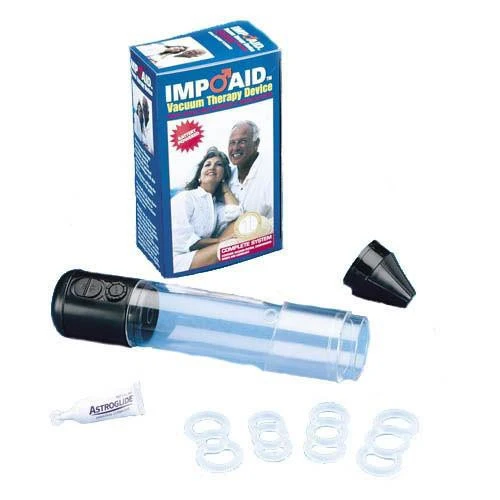
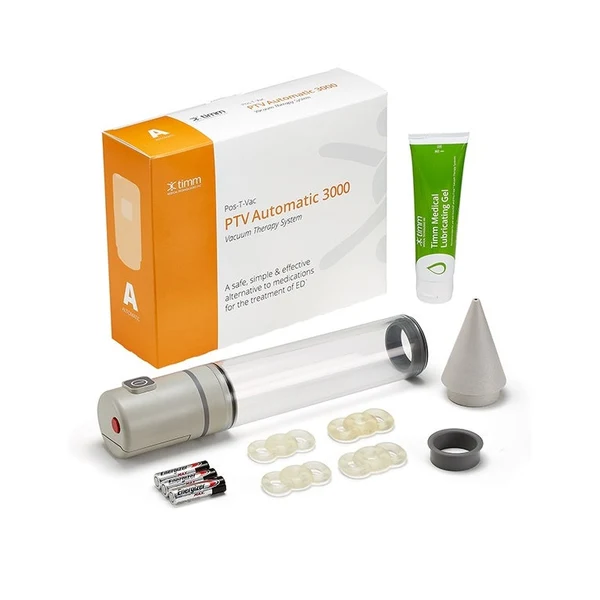
🪠 Vacuum Devices after Surgery
Vacuum therapy is commonly used after surgical procedures for Peyronie’s disease as a core part of post-operative penile rehabilitation. Surgeons frequently prescribe structured vacuum erection device (VED) protocols following plication, plaque excision and grafting, or penile prosthesis implantation for a few primary reasons:
Preserving Penile Length & Girth
Procedures like plication can cause a loss of penile length. Post-surgical vacuum therapy stretches the tunica albuginea to prevent tissue retraction, internal scarring, and length loss as the penis heals.
Tissue Oxygenation & Healing:
Drawing blood into the erectile tissues delivers oxygen-rich blood to healing internal surgical sites, promoting tissue elasticity and speeding up recovery.
Preventing Scar Adhesions:
Regular, controlled expansion prevents internal surgical wounds from scarring down tightly, which helps maintain post-op flexibility.


⚙️ Key Clinical Protocols Post-Surgery
Post-operative vacuum erection device (VED) therapy acts strictly as a rehabilitation tool to preserve length, promote tissue oxygenation, and prevent scar contraction after Peyronie’s surgery.
Rehabilitation Guidelines:
| Timing | Surgeons typically wait 2 to 4 weeks post-operation (until acute swelling subsides and skin closure is complete) before approving therapy. |
| No Rings | Post-surgical protocols use the vacuum strictly to expand and stretch tissue—without using a tight constriction/tension ring at the base. |
| Pumping Rhythm | Pump to achieve an erection, hold for 30–60 seconds, release the pressure, and repeat for 10–15 minutes once or twice daily. |
📊 Side-by-Side Comparison
Choosing the right surgical path depends heavily on the severity of the curve, natural penile length, and whether natural erections are still working. The table below breaks down how these three options stack up against each other.


🩲 Healing and Comfort After Surgery
Recovery after Peyronie’s surgery requires patience, careful wound care, and proper stabilization. In the initial weeks, tenderness, swelling, and extreme skin sensitivity make standard clothing friction uncomfortable. Catchfords Nonfriction™ Recovery Briefs with an anatomical pouch solves this by gently isolating the surgical site. By eliminating friction against thighs and rough seams while providing steady support, specialized garments protect healing incisions and make post-operative recovery significantly more comfortable.
Support your Recovery with Catchfords → Men’s Briefs


