


Men looking for qualified support for any penile health or post‑op concern can explore our
Canadian Urology Directory and USA Urology Directory
to find clinics experienced in men’s urologic and dermatologic conditions.
Clinically reviewed by Melanie Dick, RN
Clinical U. Coordinator | Critical Care Nurse
Recovery insights & Post-op care expertise.
September, 2026

What is a Meatotomy
A pediatric meatotomy is a small surgical procedure that opens the urinary meatus when it becomes narrowed; a condition known as meatal stenosis. Despite its tiny incision, a meatotomy involves an exceptionally sensitive area where recovery is driven by friction rather than wound size. Meatal stenosis typically emerges years after infant circumcision in school-aged boys, causing spraying streams, straining, burning, or urination avoidance. A meatotomy corrects meatal stenosis with a brief outpatient procedure under anesthesia to widen the opening. Although the surgical site is small, the delicate glans and meatus make recovery during the first 10–14 days disproportionately uncomfortable due to friction from clothing, moisture, and daily routines.

Normal meatal opening

Narrowed Meatal opening
Meatal Stenosis Prevalence
Meatal stenosis is a frequent post-circumcision complication, identified in 17.9% of circumcised boys in a pediatric cohort study (Acimi et al., 2022). While asymptomatic cases may be observed, this high prevalence indicates that many children experience narrowing that requires clinical evaluation and potential surgery.
Prevalence of Meatal Stenosis in Study Cohort
Total Cohort
Meatal Stenosis
Data from Acimi et al., 2022 (95% CI = 15.6–20.3).
# Your Recovery Essentials
Explore Our Collection
Penile Treatment Recovery Briefs for a Softer Touch on Sensitive Skin.

Meatal Stenosis Years After Circumcision
Meatal stenosis is one of the few complications that doesn’t appear immediately after circumcision. Instead, it often shows up years later, usually between ages 3–10, long after parents assume everything healed normally. This delayed onset is confusing for families; but the underlying mechanism is well‑documented in pediatric urology.

Pediatric Meatotomy Procedure
A pediatric meatotomy is a brief, precise procedure to widen a narrowed urinary meatus and restore a normal stream. Although the term can sound intimidating, the process is straightforward, providing parents with a clear, reassuring breakdown of what to expect.
The Goal
A meatotomy is a small procedure that widens the urinary opening when it becomes too narrow. The surgeon’s aim is simple: restore a comfortable, normal urine stream and relieve the burning, spraying, and straining that come with meatal stenosis.
The Procedure
During the procedure, the surgeon gently commonly opens the tight area at the urinary tip with a tiny vertical incision. The tissue is separated just enough to create a natural, wider opening. The wound is small, shallow, and usually doesn’t require stitches, however, small absorbable sutures may be placed along the newly exposed mucosal edges to prevent the raw tissue from fusing back together Most children are in and out the same day, and the improvement in urine flow is immediate.
Narrowed meatal Opening

Meatal Incision Widening
What Parents Should Expect
The surgical site is small but very sensitive. Because the meatus is fully exposed, the raw area reacts strongly to friction, moisture, and fabric contact. The procedure itself is simple; the challenge comes afterward, when standard cotton underwear begins sticking to the healing surface and causing pain with every movement.
Postop Problems
Parents are usually prepared for the procedure itself. What they’re not prepared for is the reality that comes afterward: the healing wound at the urinary opening can stick to underwear. It’s the single most painful, frustrating part of recovery, and it catches almost every family off guard. The area is raw, moist, and exposed; the perfect setup for fabric adhesion.
Absent Recovery Options
“Dress your child in loose-fitting underwear” — Cleveland Clinic Care Guides
Made For Hypersensitivity
Smooth, breathable fabric that envelopes, protects, and minimizes friction.

Flexible Movement Fit
Anatomically specific fit for youth.
Tapered for younger age groups.
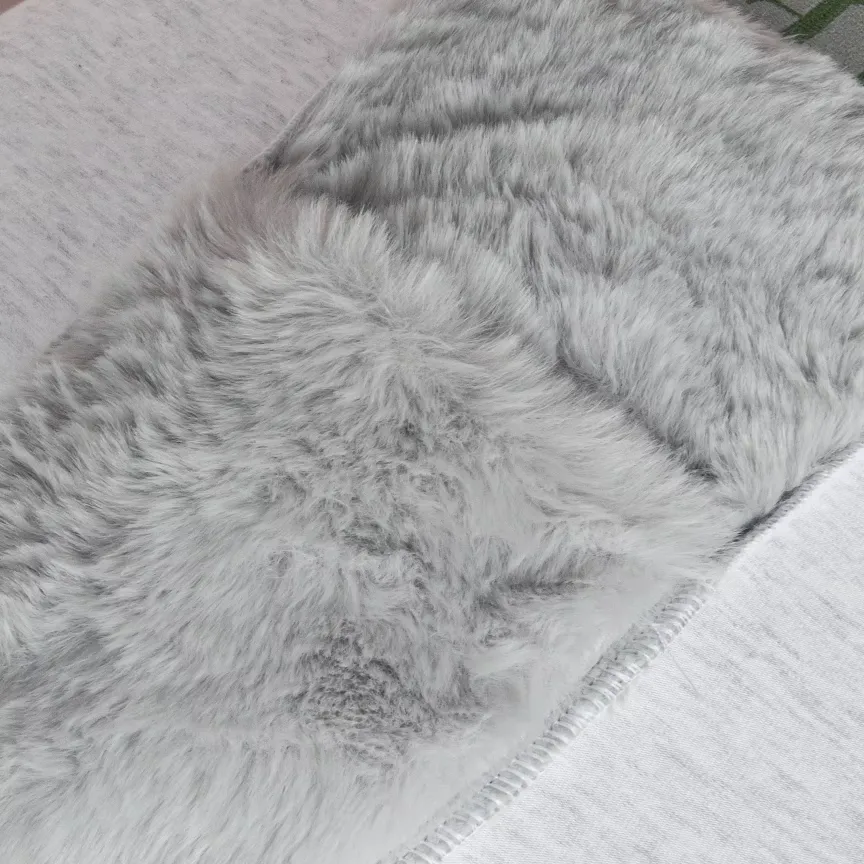
NonFriction™ Tapered Structure
Engineered for Softness & Density against Hypersensitive Skin.

Leak-Guard Textile Barrier
Designed to manage leak-through.
Maintains dignity & privacy.
A Weeks-Long Battle
A meatotomy creates a small opening at the urinary tip. The wound itself is tiny, but the tissue around it is one of the most sensitive areas on the body. Even light contact can feel sharp, burning, or irritating. Parents often assume the discomfort will fade quickly because the incision is small. In reality, the sensitivity lasts far longer than the pain from the procedure.
Why Friction Matters More Than Pain
The meatus moves constantly throughout the day; walking, sitting, bending, climbing into a car seat, running at recess. Every movement shifts the underwear against the healing area. Even gentle fabric creates micro‑pulling that feels like pinching or scraping. The child isn’t reacting to the incision; they’re reacting to friction.
“Friction can lead to micro-damage, irritation, inflammation, and increased sensitivity in the affected area.” — Cleveland Clinic, Skin Irritation Overview
Moisture Makes Friction Worse
The healing surface stays slightly moist during the first days and weeks. Moisture increases friction dramatically. Damp cotton grips instead of gliding. When the child moves, the fabric drags across the wound instead of sliding over it. This is why kids often say the pain gets worse after bathroom trips, sweating, or warm weather.
The “Re‑Irritation Cycle”
Once friction irritates the wound, the tissue becomes red and reactive. That irritation makes the area even more sensitive the next time fabric touches it. The cycle repeats: friction → irritation → increased sensitivity → more friction pain. This cycle can stretch a simple recovery into a multi‑week struggle.
“Friction can irritate healing skin, increase redness, and make the area more sensitive.” — American Academy of Dermatology, Skin Care for Wounds and Irritated Skin
Why School Magnifies the Problem
School adds hours of movement and long periods of sitting. Chairs, desks, recess, gym class, and bathroom breaks all create friction moments. Kids who were comfortable at home suddenly come back from school sore, irritated, and afraid of underwear contact. Parents often assume something went wrong with the surgery, but it’s simply the environment.
Why Standard Underwear Can’t Break the Cycle
Cotton absorbs moisture, clings to the wound, and rubs with every step. Seams sit exactly where the meatus is healing. Even “soft” cotton creates friction because the fabric texture is not designed for exposed, raw tissue. Standard underwear keeps the irritation cycle going day after day.
Major pediatric and dermatology organizations note that friction on healing tissue increases irritation and sensitivity. The American Academy of Dermatology explains that “friction can irritate healing skin, increase redness, and make the area more sensitive,” which is exactly why repeated rubbing from cotton underwear can prolong discomfort after a meatotomy.
Standard Underwear Fails During Recovery
Standard cotton underwear fails during meatotomy recovery because it absorbs wound moisture, clings as it dries, and drags across raw tissue with every movement. Its textured weave and seams sit directly against the sensitive incision, turning basic activities, walking, sitting, recess, and bathroom trips, into continuous sources of pinching and burning. As friction builds throughout the day, the healing tissue becomes increasingly reactive, unnecessarily prolonging discomfort and leading parents to mistake normal fabric irritation for a surgical complication.
How Catchfords Solves The Friction Problem
Catchfords Nonfriction™ Recovery Briefs replace clingy cotton with a smooth modacrylic copolymer anterior interior that acts as a low-friction barrier over healing tissue. Unlike traditional cotton, this inner layer remains non-stick and doesn’t adhere to the wound, helping prevent painful morning peel-offs and friction from daily movement. By eliminating fabric drag directly through textile engineering, it shields sensitive post-procedure tissue while streamlining care, helping kids move comfortably throughout recovery.
What Parents Can Expect
Most children recover quickly from a meatotomy, but the experience depends almost entirely on how much friction the healing area is exposed to. In the first few days, the meatus is raw, reactive, and easily irritated, so any contact with cotton can feel sharp or burning. Without friction control, mornings often begin with painful peel‑offs, and school days can leave the wound sore and inflamed, stretching recovery into a week or more. When the area is protected from rubbing and moisture‑cling, the sensitivity settles much faster: bathroom trips become easier, movement feels normal again, and the wound can heal in a calm, dry environment without constant re‑irritation. Most parents notice a dramatic difference within the first 24–48 hours of switching to friction‑free support, and the overall recovery becomes smoother, shorter, and far less stressful for both child and parent.

The Emotional side of Recovery
Meatotomy recovery affects parents just as much as it affects kids. Children often struggle to explain the sharp, strange sensations from a healing meatus, and many feel embarrassed or anxious about discomfort in that area. They may walk stiffly, avoid running, or hesitate to use the bathroom simply because they’re afraid of underwear sticking again. For parents, this creates long nights, broken sleep, and early‑morning stress as they try to help their child through painful peel‑offs or bathroom reluctance. School days add another layer of worry; wondering if their child is uncomfortable, guarding the area, or too embarrassed to speak up. When friction is finally removed and mornings stop being painful, both child and parent decompress: kids regain confidence, move normally again, and parents feel the weight lift as the household returns to its usual rhythm without the constant fear of discomfort.
# All the help you need
Frequently Asked Questions.
When can my child switch from surgical dressings to Catchfords?
Many families begin using Catchfords once their clinician says the initial dressing can be reduced or removed, which for some families is around 24–48 hours. The NonFriction™ Liner creates a smooth, low‑contact interior that helps avoid rubbing from everyday fabrics, which is often the most challenging part of early recovery. Always follow your healthcare provider’s guidance.
How does the NonFriction™ Liner help with sensitivity after surgery?
After circumcision, frenulum or meatotomy, the glans is newly exposed and extremely sensitive to touch. The NonFriction™ Liner forms a smooth, cushioned tunnel that helps minimize rubbing and unexpected contact, making shifting, walking and rest feel more manageable for youth.
Can my child return to school or normal routines while wearing Catchfords?
Many parents find that Catchfords provides early comfort with movement, which can make returning to school or routines feel more realistic. By helping reduce friction and fabric contact, kids often feel more at ease sitting, walking, and moving with caution. Always follow your clinician’s recommendations for activity levels.
How many pairs should we have during recovery?
Most families find that our 4‑Pack makes daily rotation easier, especially in the first few days when spotting can occur and fresh pairs feel more comfortable. Some select the 6‑Pack for added flexibility with school, washing schedules, or if their child prefers the softer interior for longer.
Does the design work safely with swelling or stitches?
Yes. The brief provides gentle support without squeezing or compressing. The tapered interior is smooth and non‑abrasive, helping minimize pressure points and keeping seams away from sensitive areas, including sutures. It’s designed to accommodate normal postoperative changes in size and sensitivity.
How long do most kids wear Catchfords before switching back to regular underwear?
Every child is different, but many families find Catchfords most useful during the first 2–4 weeks, when sensitivity to fabric contact is highest. Some kids continue wearing them longer for comfort during activities like bike riding or sports, where unexpected contact can feel intense early on.
Are Catchfords machine washable and durable?
Yes. They wash and dry easily, and the NonFriction™ Liner is designed to stay smooth and comfortable through repeated laundering, even with daily use. NonFriction textiles can contain modacrylic, acrylic, nylon, polyester fibers which may present light shedding during the cutting and finishing process. This is a natural occurance for brushed synthetics. Any loose fibers can be removed with a quick shake or lint roller. Individuals with sensitivities to synthetic fibers should review materials before purchase.


