


Men looking for qualified support for any penile health or post‑op concern can explore our
Canadian Urology Directory and USA Urology Directory
to find clinics experienced in men’s urologic and dermatologic conditions.
🛠 What a Meatotomy Actually Fixes
A meatotomy is a brief surgical procedure performed to correct meatal stenosis; a narrowing of the urethral opening (meatus) that alters or obstructs the urinary stream. In children aged 5 and older, this condition is most frequently a late complication of circumcision, stemming from chronic low-grade friction and inflammation of the unprotected glans.
Age Distribution at Pediatric Meatotomy Intervention
Ages 1–3
Ages 4–5
Ages 6–7
Ages 8–12+
Sources & Methodology:
Based on large-scale pediatric urology surgical reviews tracking patient cohorts undergoing meatotomy (mean age cluster centered at 5 years, range 1 month to 15 years).
• Clinical Cohort Data: PubMed Clinical Study Index (n=2,211 cases).
*Note: Percentages reflect proportional distribution across clinical presentation age brackets derived from multi-year surgical audits.
Why Meatal Stenosis Develops Years After Circumcision
The meatus sits at the very tip of the penis; exposed, delicate, and constantly interacting with the outside world. After circumcision, the glans no longer has the natural protection of the foreskin, so the urinary opening is left to face years of rubbing from diapers, underwear, and everyday clothing. This repeated contact doesn’t cause dramatic injury, but it does create a steady pattern of low‑grade irritation. The tissue may become persistently red, develop tiny micro‑tears, and gradually form small areas of thickened or scar‑like tissue. Over time, these subtle changes slowly narrow the opening.
This process is not sudden. It unfolds quietly over the course of early childhood, often without any obvious symptoms until the narrowing becomes significant enough to affect the urinary stream. Parents usually notice the change only when the stream becomes thin, deflected, or spraying, or when their child begins to complain that urination stings or takes longer than it used to.
When families reach a pediatric urologist, they overwhelmingly hear the term meatotomy. It is the standard, straightforward procedure used to correct meatal stenosis in children. Meatoplasty is reserved for more complex reconstructive situations, but for typical narrowing caused by years of friction and exposure, meatotomy is the reliable and widely used solution.

🩺 Clinical Presentation & Symptoms
In verbal children (ages 5 and above), meatal stenosis typically manifests through identifiable visual changes and physical discomfort during urination. Key clinical indicators include:
Frequency and Urgency: Frequent bathroom visits caused by incomplete bladder emptying.
Deflected or Upward Urinary Stream: The stream often sprays, shoots straight upward, or is narrow and high-pressure, making it difficult to aim.
Dysuria: A burning sensation or sharp pain during or immediately after voiding.
Straining to Void: The child must visibly exert abdominal pressure to initiate or maintain urination.
Prolonged Voiding Times: Urination takes noticeably longer due to the restricted aperture.
# Your Recovery Essentials
Explore Our Collection
Penile Treatment Recovery Briefs for a Softer Touch on Sensitive Skin.

⏰ Recovery Timeline
Post-operative healing following a pediatric meatotomy is rapid, but structured clinical monitoring across the first two weeks is vital to prevent premature closure of the newly formed opening.
| Phase | Timeline | Expected Clinical Presentation & Milestones |
| Acute Phase | Days 1 to 3 | Localized swelling, mild redness, and minor spotting of blood (especially with the first few voids). Dysuria is common but manageable. |
| Intermediate Phase | Days 4 to 7 | Swelling decreases significantly. Yellowish crusting or a film may form around the edges—this is normal granulation/healing tissue, not infection. |
| Stabilization Phase | Days 8 to 14 | The raw mucosal edges begin to fully epithelialize (skin over). Pain during urination should completely resolve. |
💢 Days 4–14: The Friction Phase
The first few days after a meatotomy are defined by sharp, predictable discomfort, but the period that follows; roughly days four through fourteen; is shaped almost entirely by friction. By this point, the incision is already healing, the swelling has begun to settle, and the burning during urination is usually fading. What remains is a different kind of sensitivity: the kind that comes from the healing surface repeatedly touching fabric.
During this phase, the meatus is still raw enough that even light contact can feel like scraping or pulling. Children often describe sudden stings when they walk, sit, climb into a car seat, or move around at school. These sensations aren’t signs of a complication; they’re simply the result of the healing tissue rubbing against underwear throughout the day. Parents frequently notice that their child seems comfortable at home but returns from school irritated or sore, because school introduces hours of movement, sitting, recess, and bathroom trips that all increase friction moments.
This friction‑based discomfort can stretch a short recovery into a longer, more emotional experience. The wound itself is improving, but the sensitivity lingers because the tissue is still reactive. Every small irritation makes the next contact feel sharper. This is why the friction phase lasts longer than the initial pain phase, and why children often need extra support, gentler clothing, and predictable routines during this window.

Catchfords
HSA/FSA Eligible – Letter of Medical Necessity
May qualify for HSA/FSA reimbursement. Download the LMN form if your provider requires it.
📝 Evidence-Based Aftercare Protocols
The primary goal of post-meatotomy aftercare is protecting the surgical site from premature fusion while maintaining optimal patient comfort.
Meatal Separation & Lubrication
To prevent the raw edges of the urethral opening from sticking together and healing shut, physical calibration and lubrication are required:
- Lubricant Application: Apply a generous amount of plain petroleum jelly or water-soluble lubricant to the tip of the penis at least 3 to 4 times daily, specifically after every void and before sleep.
- Gentle Separation: Following clinical guidance, caregivers should gently spread the edges of the meatus during ointment application to ensure the opening remains patent (wide open).
Hygiene & Bathing
- Sitz Baths: Instruct parents to have the child sit in a warm, plain water bath for 10 to 15 minutes, 2 to 3 times a day, starting 24 to 48 hours post-surgery. This clean water exposure relaxes the pelvic floor muscles, dilutes residual urine, and significantly reduces the sting of dysuria.
- Avoid Irritants: Strictly avoid bubble baths, perfumed soaps, or vigorous scrubbing of the perineum during the two-week recovery window. Pat dry gently with a clean towel.
Pain Management & Hydration
Aggressive Hydration: Encourage a high fluid intake. Diluted urine has a lower osmolarity and is substantially less irritating to raw mucosal tissues, minimizing the fear-induced urinary retention common in young children. To help with burning or stinging sensations, clinics often recommend drinking lots of water, and avoiding lemonade, iced tea, juice and soda.
Systemic Analgesia: Programmed dosing of over-the-counter acetaminophen or ibuprofen for the first 48 hours effectively manages baseline inflammatory pain.
Clinical Indications for Pediatric Meatal Surgery
Deviated Stream
Urinary Retention
Meatitis
Dysuria
Sources & Methodology:
Based on large-scale pediatric urology surgical reviews (n=2,211 cases) tracking primary presentation indications for meatotomy and meatoplasty.
• Clinical Cohort Data: PubMed Clinical Study Index (PMID: 35981660).
*Note: Deviated stream (n=1,477, 67%) was the most frequent primary indication; secondary indicators like urinary retention and dysuria significantly influenced multivariate surgical outcomes.
🩲 Why Underwear Sticking Happens
One of the most surprising parts of meatotomy recovery is how often the healing site sticks to underwear. Parents expect pain during urination, but they don’t expect the morning discomfort that comes from peeling dried fabric away from a sensitive area. This sticking happens because cotton absorbs moisture. When the healing meatus touches cotton, the ointment applied the night before begins to dry, and any wound fluid dries with it. As the fabric absorbs these fluids, it adheres to the surface of the healing tissue.
By morning, the area may feel glued to the underwear. Removing the fabric can cause a sharp sting, and the child may become anxious about getting dressed or using the bathroom. Even during the day, small patches of dried moisture can create micro‑adhesions that tug with movement, causing sudden jolts of discomfort. This cycle repeats itself: moisture dries, fabric sticks, irritation increases, and the tissue becomes even more sensitive to the next contact.

Sticking is not a complication; it is a predictable interaction between healing tissue and absorbent cotton. But it is also one of the main reasons recovery feels longer than expected. When the fabric clings instead of gliding, the healing surface never gets a break. Reducing sticking is one of the most effective ways to make recovery smoother, calmer, and less stressful for both the child and the parent.
🍃 NonFriction Textiles
Catchfords’ NonFriction™ textile solves the sticking problem by removing the one thing that makes days 4–14 so difficult: absorbent cotton dragging against a healing surface. Instead of pulling moisture into the fabric and drying into the wound, the smooth, low‑resistance interior of NonFriction™ material lets the area glide without catching, drying, or peeling away in the morning. This creates a calm, uninterrupted environment where the tissue can settle, children can move comfortably, and the recovery isn’t constantly reset by fabric adhesion; a small change that produces a noticeably better outcome for families navigating the friction phase.
⚾ School, Sports, and Daily Activities
Children recovering from meatotomy often find everyday movement more challenging than parents expect. Running, sitting cross‑legged, recess, gym class, and long car rides all introduce moments where the healing area rubs against fabric, creating sudden stinging that seems to appear out of nowhere. During school hours, this friction builds quietly, and many children become hesitant to use the bathroom or complain that something “hurts” even though the incision itself is improving. Parents usually notice a pattern: mornings begin comfortably, but by the end of the school day the child is irritated, guarded, or reluctant to move normally. This sensitivity gradually fades, and most children return to full activity within ten to fourteen days as the tissue settles and friction becomes less reactive.
💦 When the Stream Normalizes
The urinary stream typically improves immediately after the procedure, but the sensation of urinating can still feel unusual for several days. A brief period of burning is common, and the pressure of a now‑wider opening may feel strange until swelling decreases. Spraying usually resolves as the tissue calms and the new opening stabilizes. By the two‑ to three‑week mark, most children describe their stream as smooth, comfortable, and easier to control, and bathroom trips become noticeably quicker and less stressful.
Made For Hypersensitivity
Smooth, breathable fabric that envelopes, protects, and minimizes friction.

Flexible Movement Fit
Anatomically specific fit for youth.
Tapered for younger age groups.
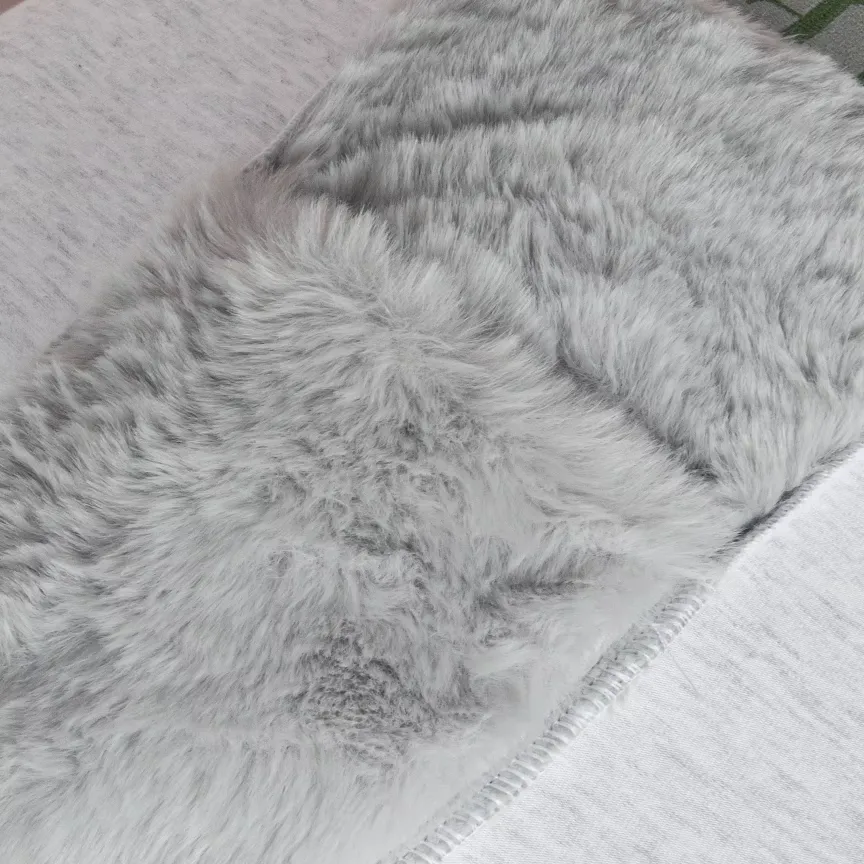
NonFriction™ Tapered Structure
Engineered for Softness & Density against Hypersensitive Skin.

Leak-Guard Textile Barrier
Designed to manage leak-through.
Maintains dignity & privacy.
👨👩👦 Emotional Impact on Parents
Meatotomy recovery affects parents just as much as it affects children. The early mornings spent helping with painful peel‑offs, the stress around bathroom trips, and the worry that builds during school hours all create a sense of constant vigilance. Many parents feel helpless when their child cries during urination or becomes anxious about getting dressed, and the daily routine of ointment, underwear changes, and comfort management can feel heavier than expected. It’s common to feel guilty or overwhelmed, but the discomfort is temporary, the healing is reliable, and the emotional weight lifts quickly once friction settles and mornings stop beginning with pain.
🕚 Long‑Term Outlook
Once the healing phase is complete, the urinary stream remains normal, the discomfort disappears, and bathroom time shortens noticeably. Children return to full activity without hesitation, and the sensitivity that dominated recovery fades entirely. Meatal stenosis rarely returns, and meatotomy remains one of the most consistently successful procedures in pediatric urology. Families often describe the long‑term outcome as a dramatic improvement compared to the months of stream changes, burning, and frustration that led them to seek help in the first place.
Support your Recovery with Catchfords → Youth & Teen Briefs
Related Articles
# All the help you need
Frequently Asked Questions.
When can my child switch from surgical dressings to Catchfords?
Many families begin using Catchfords once their clinician says the initial dressing can be reduced or removed, which for some families is around 24–48 hours. The NonFriction™ Liner creates a smooth, low‑contact interior that helps avoid rubbing from everyday fabrics, which is often the most challenging part of early recovery. Always follow your healthcare provider’s guidance.
How does the NonFriction™ Liner help with sensitivity after surgery?
After circumcision, frenulum or meatotomy, the glans is newly exposed and extremely sensitive to touch. The NonFriction™ Liner forms a smooth, cushioned tunnel that helps minimize rubbing and unexpected contact, making shifting, walking and rest feel more manageable for youth.
Can my child return to school or normal routines while wearing Catchfords?
Many parents find that Catchfords provides early comfort with movement, which can make returning to school or routines feel more realistic. By helping reduce friction and fabric contact, kids often feel more at ease sitting, walking, and moving with caution. Always follow your clinician’s recommendations for activity levels.
How many pairs should we have during recovery?
Most families find that our 4‑Pack makes daily rotation easier, especially in the first few days when spotting can occur and fresh pairs feel more comfortable. Some select the 6‑Pack for added flexibility with school, washing schedules, or if their child prefers the softer interior for longer.
Does the design work safely with swelling or stitches?
Yes. The brief provides gentle support without squeezing or compressing. The tapered interior is smooth and non‑abrasive, helping minimize pressure points and keeping seams away from sensitive areas, including sutures. It’s designed to accommodate normal postoperative changes in size and sensitivity.
How long do most kids wear Catchfords before switching back to regular underwear?
Every child is different, but many families find Catchfords most useful during the first 2–4 weeks, when sensitivity to fabric contact is highest. Some kids continue wearing them longer for comfort during activities like bike riding or sports, where unexpected contact can feel intense early on.
Are Catchfords machine washable and durable?
Yes. They wash and dry easily, and the NonFriction™ Liner is designed to stay smooth and comfortable through repeated laundering, even with daily use. NonFriction textiles can contain modacrylic, acrylic, nylon, polyester fibers which may present light shedding during the cutting and finishing process. This is a natural occurance for brushed synthetics. Any loose fibers can be removed with a quick shake or lint roller. Individuals with sensitivities to synthetic fibers should review materials before purchase.


