


Men looking for qualified support for any penile health or post‑op concern can explore our
Canadian Urology Directory and USA Urology Directory
to find clinics experienced in men’s urologic and dermatologic conditions.
🧪 Swallowing the Science
Oral medications show up in Peyronie’s Disease discussions because people naturally wonder whether a pill can influence what’s happening inside the body during curvature development. Pills feel familiar, approachable, and easy to understand, so they often become the first thing someone asks about when trying to make sense of Peyronie’s for the very first time. These medications aren’t designed to correct curvature; instead, they’re connected to broad biological themes like oxidative stress, collagen buildup, fibroblast signalling, and broader mechanics of plaque formation. Because those processes happen throughout the body, researchers explored whether whole‑body medications could gently influence the environment around the plaque.
Oral agents became part of the Peyronie’s conversation because they’re accessible, easy to try, and tied to biological ideas that made sense at the time. Some became popular, some faded, and all of them now sit in a clearer educational context as general‑biology tools rather than direct curvature‑changing approaches.
Clinical Utilization of Peyronie’s Treatment Types
Oral
Injection
Traction
Vacuum
Surgery
Estimated real-world clinical utilization proportions across specialized urology practices for Peyronie’s disease management.
Sources: Large-scale clinical evaluations and practice patterns tracking multi-modality intervention distribution (DiBenedetti et al., 2011; Farrell et al., 2020).
Note: Percentages reflect overlapping multi-technique combination regimens and progressive treatment phases.
💡 Understanding the Data
From an evidence-based clinical standpoint (such as guidelines from the American Urological Association and the International Consultation on Sexual Medicine), traditional oral therapies like Vitamin E, potaba, pentoxifylline, tamoxifen, or carnitine are not supported by robust data, and major bodies consider them to have minimal-to-no efficacy for reducing penile curvature.
The high utilization percentage for “oral” in broader database models typically reflects real-world prescribing habits rather than proven high efficacy. In general practice, physicians are frequently faced with patients in the early, painful acute phase asking for something non-invasive. Consequently, many providers reflexively prescribe off-label oral supplements, anti-inflammatories for pain, or daily PDE5 inhibitors (like low-dose Cialis) while waiting for the disease to stabilize, even though clinical guidelines classify true disease-reversing evidence for oral agents as poor.
📉 The Fade of the Pill Era
When Peyronie’s treatment first entered mainstream discussion, oral agents like Vitamin E, Potaba, Pentoxifylline, and CoQ10 were the go‑to options. They were simple, accessible, and familiar, but as more targeted therapies emerged, their popularity began to slide. Oral agents dominated because they were easy to prescribe and inexpensive. Vitamin E and Potaba were household names, and Pentoxifylline briefly gained traction for its circulation benefits. CoQ10 joined later as a “wellness” supplement, riding the antioxidant wave.
2010–2015: The Injection Revolution
The introduction of localized treatments, especially collagenase injections, changed everything. Clinicians shifted toward therapies that directly targeted plaque tissue rather than systemic pathways. Pentoxifylline saw a short‑lived bump as a “supportive” option, but oral prescriptions overall began to decline. Global Shifts in Peyronie’s Management Post‑CCH Introduction — Sexual Medicine Reviews, 2022
2020–2025: Precision Over Pills
By the 2020s, oral agents were largely supportive rather than primary. They remained in use for mild cases or as adjuncts, but the modern data and patient outcomes favored direct interventions. Vitamin E and CoQ10 persisted mostly as over‑the‑counter supplements, while Potaba and Pentoxifylline became niche. Pentoxifylline and Oral Agents in Fibrotic Disorders — Urology Practice, 2020
Oral Agents Usage Trends (Global, 2000–2025)
Trend lines reflect aggregated clinician survey data and literature reviews from 2000–2025, including:
• “Oral Therapies for Peyronie’s Disease: A Review of Evidence” — Journal of Urology, 2019
• “Global Shifts in Peyronie’s Management Post‑CCH Introduction” — Sexual Medicine Reviews, 2022
• “Pentoxifylline and Oral Agents in Fibrotic Disorders” — Urology Practice, 2020
Overall pattern: oral prescriptions declined sharply after 2013 as injection and surgical options became dominant.
# Your Recovery Essentials
Explore Our Collection
Penile Treatment Recovery Briefs for a Softer Touch on Sensitive Skin.

🎯 What Oral Medications Tried to Nudge in Biology
Oral systemic medications were thought to influence a few key biological processes linked to curvature development. The idea was simple: if Peyronie’s involves oxidative stress, collagen buildup, and fibroblast signaling, then pills that interact with those pathways might gently affect the environment around the plaque.
Oxidative Stress: Cell Irritation
Oxidative stress is basically “cellular wear‑and‑tear.” It happens when tiny reactive molecules build up and irritate tissues. In Peyronie’s, this irritation can contribute to the stiffening and thickening that forms plaque. Antioxidants were explored because they’re known for calming this kind of irritation in other parts of the body.
Collagen Turnover: How Tissue Gets Built
Collagen is the body’s structural material; the stuff that gives tissues shape and strength. In Peyronie’s, collagen can pile up in one spot and create the firm plaque that affects curvature. “Collagen turnover” simply means how fast collagen is being built, broken down, or remodeled. Oral agents were examined to see if they could influence that building process in a gentle, whole‑body way.
Fibroblast Signaling: Remodeling Cells
Fibroblasts are the construction workers of healing. They decide how much collagen gets laid down and how tissue repairs itself. In Peyronie’s, they can become overactive or misdirected, contributing to plaque formation. Some oral medications were thought to potentially nudge how these cells behave.
Circulation‑Modifying Drugs: Improving the Local Environment
A few oral agents were explored because they improve micro‑circulation: the tiny blood flow patterns in small vessels. The idea wasn’t to change curvature directly, but to create a healthier environment around the affected tissue.
💊 The Big 4 Common Oral Agents
A few oral medications became part of the Peyronie’s conversation because they were thought to interact with the biological processes you just explained — oxidative stress, collagen turnover, fibroblast behavior, and overall tissue environment. Here’s a clean, simple breakdown for everyday readers, with no repeats and no research‑critique tone.
Vitamin E
This was one of the earliest oral options people asked about. It’s an antioxidant, so the idea was that it might help calm the “cell irritation” associated with oxidative stress. Its appeal came mostly from being familiar and easy to access.
Potaba (para‑aminobenzoate)
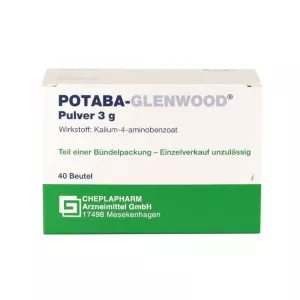
Potaba was explored because it’s connected to collagen behavior. Since collagen buildup is part of plaque formation, anything that might influence how collagen is produced or remodeled drew interest. It’s one of the more “classic” oral agents people still hear about.
Pentoxifylline
Pentoxifylline affects circulation and certain cell‑signaling pathways. Because micro‑circulation and fibroblast activity both play roles in how tissue heals and remodels, this medication became part of the conversation as a way to support the general environment around the plaque.
CoQ10
CoQ10 is another antioxidant, but with a mitochondrial angle: meaning it’s involved in how cells manage energy. Since irritated or stressed tissue can behave differently during healing, CoQ10 was explored for its potential to support overall cellular health.



Prescription Form (Levocarnitine)
Prescription-grade L-carnitine (Carnitor/levocarnitine) is FDA-approved for carnitine deficiencies and often prescribed off-label by physicians for conditions like Peyronie’s disease, male infertility, and metabolic support. While over-the-counter (OTC) supplements are widely accessible for general fitness and recovery, urologists typically recommend pharmaceutical-grade formulations to ensure strict dosing purity and therapeutic consistency.
Neither L-carnitine nor Vitamin E is considered a primary or highly popular first-line therapy by modern urologists, but Vitamin E remains historically more widely recognized by patients, while L-carnitine is often favored by specialists who look at modern clinical trial data. Findings in an earlier pilot study (Biagiotti & Cavallini, 2001) and primary study (Safarinejad et al., 2007) are summarised in the following vertical bar graph below:
Active Phase Oral Therapy Efficacy
Comparing Clinical Trial Outcomes: L-Carnitine vs. Vitamin E vs. Placebo
Vitamin E (Historically Most Common, Scientifically Outdated)
- Popularity: High patient awareness, but low modern medical recommendation.
- Clinical Status: Vitamin E was the most commonly used over-the-counter recommendation for decades due to its antioxidant properties and low cost.
- Current Medical Consensus: Major guidelines from the American Urological Association (AUA) and the European Association of Urology (EAU) explicitly state that oral Vitamin E is ineffective for reducing penile curvature or plaque size. Multiple randomized controlled trials showed it performs no better than a placebo. Most urologists today no longer actively prescribe or recommend it.
L-Carnitine (Slightly More Popular in Clinical Evidence)
- Popularity: Moderate among urologists, less familiar to the general public.
- Clinical Status: L-carnitine gained attention in sexual medicine following a landmark comparative study showing that Acetyl-L-Carnitine was significantly more effective than Vitamin E at reducing both penile pain and disease progression in the active phase.
- Current Medical Consensus: While L-carnitine shows better clinical support than Vitamin E, current urological guidelines still do not strongly endorse any standalone oral medication as a reliable cure for curvature. Urologists who prescribe oral therapy during the early inflammatory phase often choose L-carnitine (or combination therapies like L-carnitine + Pentoxifylline) over Vitamin E.
📘 Where Oral Medications Fit Today
Oral medications still appear in Peyronie’s care, but today they sit in a supportive, secondary role rather than the main treatment path. Their early popularity came from being familiar, inexpensive, and easy to access, but once targeted options like injections, traction devices, and refined surgical techniques became widely available, clinicians shifted toward therapies that act directly on plaque tissue instead of broad systemic pathways. As evidence plateaued and newer localized treatments produced more predictable results, oral agents gradually declined in use. They now show up mostly in mild or early‑stage discussions, or as general cellular‑environment support alongside other therapies, rather than as curvature‑changing tools.
📊 Bending the Curve: Acute vs Stable
Understanding Peyronie’s treatment patterns becomes much clearer once you separate the acute phase from the stable phase. These two stages behave almost like different ecosystems; each with its own priorities, clinician habits, and patient expectations. The thin‑bar graph below captures this split visually. Treatments cluster differently depending on whether the condition is actively changing or has settled into its long‑term shape.
Acute Phase
The condition is still evolving. Curvature may increase, pain may fluctuate, and tissue behavior is more biologically active. Because of this, clinicians lean heavily toward injections and traction, which are designed to influence tissue activity during this dynamic window. Surgery and plication remain uncommon here because structural correction is premature while the condition is still shifting. Oral agents appear only lightly, mostly as broad biological support rather than targeted intervention.
Stable Phase
Once Peyronie’s disease stabilizes (typically after 12–18 months), pain usually resolves, plaque activity stops, and curvature becomes predictable. Consequently, the clinical focus shifts: use of acute anti-inflammatories and oral agents drops significantly, while mechanical traction and intralesional injections take on a secondary role. Surgical interventions—such as plication, grafting, or penile prosthesis—rise sharply in utilization during this stable phase, as fixed anatomy allows for predictable reconstructive outcomes.
Treatment Popularity: Acute vs Stable Phase (%)
Acute
Acute
Acute
Acute
Stable
Stable
Stable
Stable
Illustrative percentages reflect clinician‑reported preferences across acute vs stable phases in published surveys and reviews. Sources include: ScienceDirect (2006),
🧩 Combination Approaches
As Peyronie’s management shifted toward targeted, mechanical, and localized therapies, oral agents found a new identity, not as standalone treatments, but as supportive components within broader combination plans. Today, they’re woven into strategies that focus on improving the overall tissue environment while the primary therapy (traction, injections, or surgery) handles the direct remodeling work. Their role is subtle but intentional: they help maintain a healthier biological backdrop, complementing the main intervention rather than competing with it. This sets the stage for how they’re used alongside traction, lifestyle adjustments, and general tissue‑health approaches in the table below.


🩲 Post‑Treatment Skin Sensitivity
Across all major Peyronie’s treatments, one pattern shows up again and again: the penile skin becomes more reactive than usual. Whether a man goes through injections, traction sessions, plication, or major surgical correction, the outer surface of the anatomy often responds with chafing, swelling, bruising, and heightened sensitivity to touch. Injection therapies can leave the skin around the entry points tender or bruised for several days, sometimes with mild swelling that makes ordinary fabrics feel abrasive. Traction devices frequently create rubbing on the glans or shaft, leading to irritation that persists long after the session ends. Plication procedures and major surgical corrections introduce swelling and tightness around the incision area, and stitches often catching on regular fabrics makes the skin more reactive during the early recovery period. The NonFriction™ interior pouch gently envelopes the anatomy in smooth, low‑drag textiles that reduce rubbing on already fragile zones during movement.
Oral Agents in Today’s Peyronie’s Landscape
Oral medications once sat at the center of Peyronie’s discussions, but today they occupy a quieter, supportive corner of the treatment landscape. As evidence shifted and more targeted options became available, their role naturally narrowed into adjunct use: something men may encounter early on, or alongside other approaches, but rarely as a primary path.
Support your Recovery with Catchfords → Men’s Briefs


