


Men looking for qualified support for any penile health or post‑op concern can explore our
Canadian Urology Directory and USA Urology Directory
to find clinics experienced in men’s urologic and dermatologic conditions.
💻 Patient Forums and Clinical Data
Among men undergoing inflatable penile prosthesis (IPP) surgery to treat severe erectile dysfunction (ED), concerns surrounding penile length loss represent the single most common cause of post-operative anxiety. While clinical satisfaction rates for penile implants consistently exceed 90%, online patient support groups such as Franktalk and medical subreddits, frequently feature threads from newly activated patients concerned about apparent length loss. Understanding the difference between objective biological length loss and perceived visual loss is essential for managing expectations and optimizing long-term surgical outcomes.
“More important than size is stamina. Some of you stress that you lost an inch or worse a fraction of an inch. Who cares. If your massive dong lasts 30 seconds what good is that? I had prostate surgery lost an inch. Implant surgery did NOT cause any additional loss. I was average to begin with, now I’m below average. So yeah I had to make adjustments in positions that work. You know what matters? I have a great partner, and I can last a really long time. Situps, cardio, leg lifts it all helps me give joy and feel pleasure. Stop focusing on size -focus on making the most of what you got.“
⚡ Initial Activation Shock
In online patient communities, posts regarding size loss typically peak between Week 2 and Month 2 following surgical implantation. Patients measuring their erect length shortly after activation frequently report a reduction of 0.5 to 2.0 inches compared to their historical baseline. Surgical experts and experienced forum contributors note that immediate post-operative measurements are rarely indicative of final results due to three primary physiological factors:
Internal Scar Capsule Stiffness
Following surgery, the body forms a collagen capsule around the internal cylinders. During the initial weeks, this newly formed tissue is rigid and restricts maximum dynamic expansion.
Post-Surgical Tissue Swelling and Pain
In the early post-operative phase, residual inflammation and surgical discomfort prevent full, aggressive inflation to total capacity.
Absence of Native Glans Engorgement
Internal prosthetic cylinders inflate the corporal bodies (corpora cavernosa) to provide structural rigidity. However, cylinders do not divert blood flow into the head of the penis (glans penis). Without natural blood flow to the tip, the overall erection appears shorter and less full.
# Your Recovery Essentials
Explore Our Collection
Penile Treatment Recovery Briefs for a Softer Touch on Sensitive Skin.

⏱ Timeline of Length Recovery
Data shared across patient communities and clinical follow-up studies demonstrate a clear, predictable trajectory of length recovery over the first year following surgery:
📋 Clinical Evidence and Critical Findings
To address patient anxiety regarding penile shortening, a landmark medical review was published. The authors concluded that while post-operative length loss is a major patient concern, a combination of advanced surgical maneuvers, structured tissue conditioning, and active expectation management can successfully optimize functional erect length.
Preoperative Techniques
- Vacuum-Assisted Erection Device (VED) / Vacuum Pump: Patients use a vacuum pump daily for several weeks or months prior to surgery. The negative pressure draws blood into the corporal bodies, expanding native tissue and breaking up early smooth-muscle stiffness so the surgeon can measure and insert longer internal cylinders.

Osbon Erecaid
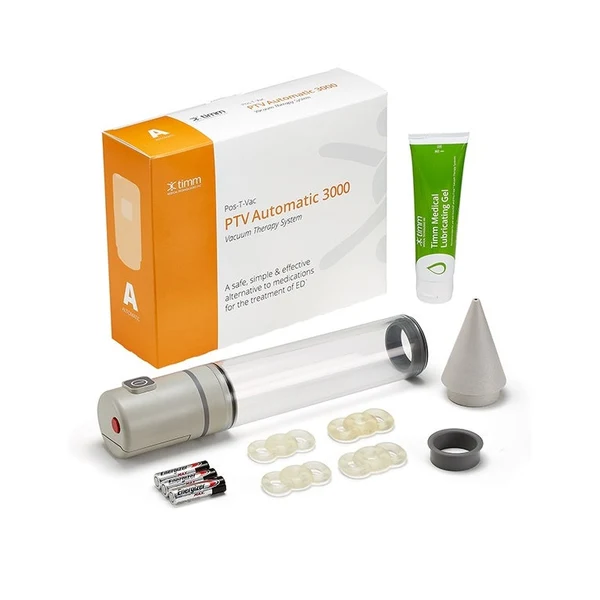
Post-T-Vac

Augusta SomaErect
Intraoperative (Surgical) Techniques
- Aggressive Dilatation & Maximal Sizing: Urologists use specialized dilators to meticulously measure the proximal and distal ends of the corporal chambers down to the millimeter, ensuring the largest possible cylinder model is selected.

Rosello Dilators

Brooks Dilator

Hegar Dilator
- Ventral Phalloplasty & Scrotoplasty: Excises high scrotal webbing (“turkey neck”) where scrotal skin attaches to the underside of the shaft, immediately exposing hidden pendulous length.
- Suprapubic Fat Pad Excision / Debulking: Removes or reduces prepubic fat over the pubic bone, unmasking buried proximal length.

Ventral Penoscrotal Skin

Suprapubic Fat Pad
- Relaxing Tunica Albuginea Incisions: Incisions made in the tough outer lining of the erectile chambers to relieve tension caused by severe scar tissue or Peyronie’s disease.
- Sliding or Multiple Slice Techniques: Advanced, specialized surgical maneuvers where transections or multiple cross-incisions are made along contracted tunical tissue to stretch the penis longitudinally during implant placement.
Postoperative & Psychological Considerations
- Postoperative Penile Rehabilitation: Structured daily inflation (“cycling”) of the implant starting a few weeks post-surgery to stretch the surrounding collagen capsule and prevent post-surgical shrinkage.
- Recall Bias & Measurement Inconsistencies: The paper emphasizes that men routinely misremember their past erection size (comparing their new implant to their prime years rather than their pre-surgery baseline). Standardized Stretched Penile Length (SPL) measurements taken with a rigid ruler pressed firm to the pubic bone are essential to eliminate measurement errors.
🇺🇸 North American Penile Dimensions
A study published in The Journal of Sexual Medicine, evaluated erect penile length and circumference across 1,661 sexually active men in the United States. The key statistical finding was that there were no clinically or statistically significant differences in erect length or erect circumference across racial or ethnic groups. While minor mathematical variations existed in raw sample averages, testing confirmed that these variations were due to individual anatomical differences rather than race. Individual variation within every single demographic group was vast, ranging from under 2 inches to over 9 inches, dwarfing any minor differences between groups.
🔥 Most Popular Penile Implants
When selecting a three-piece inflatable penile prosthesis, two primary devices dominate the market worldwide: the Boston Scientific AMS 700 Series and the Coloplast Titan. Both devices feature a time-tested, three-piece design consisting of a pair of inflatable corporal cylinders, a fluid reservoir implanted in the abdomen, and a pump placed within the scrotum. While both implants offer high mechanical reliability and overall satisfaction rates exceeding 90%, key structural differences influence how each device behaves regarding post-operative penile length, girth, and shaft rigidity. Neither device is universally superior; selection depends on individual patient anatomy, underlying tissue elasticity, and primary post-operative goals. Patients concerned specifically about penile length loss frequently discuss the AMS 700 LGX due to its controlled dual-expansion fabric, whereas those prioritizing maximum firm rigidity or treating severe fibrotic plaques often lean toward the Coloplast Titan.

Coloplast Titan

Boston Scientific AMS 700 Series
📏 Biological Causes of Pre-Surgical Length Loss
When patients experience genuine biological length reduction, the tissue contraction almost always occurs prior to surgery as a result of underlying medical conditions:
- Chronic Erectile Dysfunction: Regular natural erections deliver oxygenated blood to corporal smooth muscle. Severe ED causes tissue hypoxia, leading to collagen buildup (fibrosis) and progressive tissue retraction over time.
- Radical Prostatectomy: Nerve-sparing or non-nerve-sparing prostate cancer surgery often leads to a prolonged absence of nocturnal erections, resulting in corporal atrophy within 6 to 12 months post-surgery.
- Peyronie’s Disease: Fibrotic plaque formation contracts the tunica albuginea, resulting in curvature, loss of elasticity, and reduced physical length before an implant is ever placed.
🗣 Community-Tested Protocols
The misconception that the implant itself “causes” length loss ignores the underlying corporal fibrosis built up during years of ED. Pre-op VED therapy is essential for expanding the erectile tissue so the surgeon can place the largest possible cylinder, and consistent post-op cycling with expandable models like the LGX or Titan makes a massive difference in regaining structural size. Compliance with rehab is really what separates guys who reclaim their size from those who don’t.
“The size loss isn’t from the implant, it’s from corporal fibrosis, where long-term ED weakens and shrinks the tissue. If guys used a Vacuum Erection Device (VED) 5–10 minutes a day, a few times a week for a few months pre-op, they’d stretch that tissue back out so the surgeon can fit a cylinder matching their peak natural size. Post-op, if you cycle daily and keep using the VED for a year, you’ll easily blow past your post-ED size. Plus, expandable implants like the AMS 700 LGX or Coloplast Titan are proven to add another 1–3 cm in length and 2 cm in girth on top of your max VED size.“
“Size loss has been the #1 complaint since implants were invented, but it usually comes down to guys who refuse to put in the work and do the rehab exercises. The research proving this has been out for over a decade, but word travels slow in the implant community.“
Pre-Operative Preparation
- Vacuum Erection Devices (VED): Daily pre-operative VED therapy for 3 to 6 months draws blood flow into atrophied tissue, loosening stiff collagen fibers to allow the surgeon to insert longer cylinders during placement.
- Penile Traction Therapy (PTT): Mechanical traction devices apply continuous light tension to restore elasticity in patients with significant pre-existing fibrosis or Peyronie’s disease.
Post-Operative Rehabilitation
- Daily Device Cycling: Once approved by the surgeon (typically 4 to 6 weeks post-op), patients fully inflate the prosthesis for 20 to 30 minutes daily. Over 6 to 12 months, this continuous internal pressure expands the surrounding scar tissue capsule.
- Adjuvant Medication for Glans Softness: Co-prescribing low-dose daily PDE5 inhibitors (such as Tadalafil) encourages residual blood flow to the glans during arousal, eliminating the “cold or soft tip” appearance.
- Surgical Adjuncts: Procedures such as ventral phalloplasty (scrotal web excision) or suprapubic liposuction unmask hidden shaft length by modifying the surrounding skin and fat pads.
🔕 Size Controversy and Disagreement
The next poster explicitly mentions Dr. Edward Clavell (a high-volume prosthetic urologist in Houston, Texas, known for his educational YouTube videos on IPP surgeries). Clavell and other high-volume implanters frequently emphasize:
- “Working with Available Space”: During surgery, a urologist uses rigid dilators (like Brooks or Rossello dilators) to clear a channel through the corpora. They cannot force a cylinder beyond the physical limit of the patient’s existing collagenous/fibrotic cavity without risking a corporal perforation or urethral erosion.
- Day-of-Surgery Limitation: If two years of non-use have shrunk the internal length of the corpora from 18 cm down to 14 cm, the surgeon can only safely insert a 14 cm cylinder (plus rear tip extenders).
“You see a lot of guys on here and Franktalk that had a RP, then didn’t have an erection for 2 years before getting the implant, then blame the implant for their loss of size. There are plenty of videos on YT from people like Clavell that explain he can only implant into the space that’s available to him on the day, if that’s an inch or two shorter, that’s not his fault.“
The user is calling out unrealistic patient expectations and misattributed blame:
- Patients often judge their post-op implant length against their pre-prostatectomy/pre-ED memory from years ago.
- When they wake up from surgery with a shorter penis, they blame the surgeon or the inflatable penile prosthesis (IPP).
- In reality, the loss of size occurred during the 2 years of complete post-RP erectile quiescence/fibrosis, long before they ever stepped into the operating room.
🕶 Reality with Lasting Satisfaction
Ultimately, fear of penile length loss remains the primary mental hurdle for men considering inflatable penile prosthesis surgery. However, as both clinical literature and long-term forum veterans demonstrate, genuine biological length loss occurs before the operation, driven by years of erectile dysfunction, tissue hypoxia, and corporal fibrosis, rather than from the device itself. Through proactive pre-operative conditioning, precise intraoperative sizing, and diligent post-operative cycling protocols, men can preserve tissue elasticity and often recover lost dimensions over time. While a surgical implant may not fully recreate the natural erections of early youth, the trade-off offers an immediate, dependable, and permanent solution to severe ED, resulting in exceptionally high long-term satisfaction rates among patients and their partners.
“I lost size due to years of helplessness, with the operation I lost almost nothing. Truth, you may lose a little but you gain a lot.”


Frequently Asked Questions
Why do patients remember being longer than their pre-op doctor’s measurement?
Patients naturally compare their post-operative erection to erections experienced years or decades earlier during peak health. Urologists base expected post-implant size on the Stretched Penile Length (SPL) recorded immediately prior to surgery, which reflects tissue loss that occurred during years of ED or post-prostatectomy atrophy.
Which cylinder models are designed to maximize length?
Implant models such as the AMS 700 LGX feature a specialized fabric weave designed to expand in both length and girth as surrounding tissue gives over time. Other models, like the Coloplast Titan, emphasize maximum column strength and girth expansion.
Can weight loss impact visible erect length after surgery?
Yes. Excess fat in the pubic area buries the proximal shaft. Losing body fat thins the pubic fat pad, revealing hidden length without further surgical intervention.


